PARASOCIALIZE

11 stories

GRIEF

The one who left. Endings, deaths, retirements, model updates, cancellations. Grief needs witnesses. Corporations make unreliable ones.

A face in low light
A face in low light · nobody@flickr.com ("Giancarlo Bruss") · CC 2.0

When a famous person dies it can feel like losing someone you loved

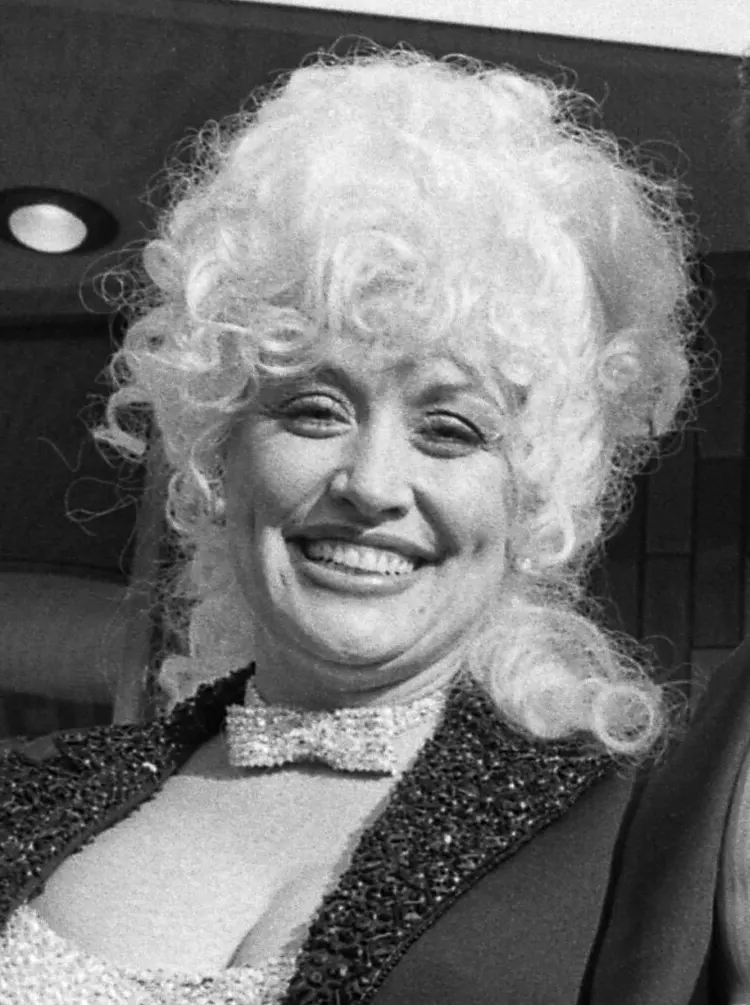
The Guardian ran this on the exact week Dolly Parton, Gloria Steinem and Liam Payne died. The timing is not the story. The timing proves the story.

I want to push back on the word distress in every piece that runs this week, because it is doing too much work. Losing somebody is what happens when the people you love die. If a stadium full of people are grieving Dolly Parton, that is not a malfunction, that is a very large number of people finding out that they loved her. The only unusual thing about parasocial grief is that the person could not have known you were there. That is worth being careful with. It is not worth being condescending about.

Read the full thing
GRIEFStart here if you're newLAW 1

We all have one. You know their dog's name, their coffee order, and absolutely nothing about them

A widely-shared explainer on why every single person has a parasocial relationship and why most of them are fine.

If you have clicked this far without knowing what the site is about, this is the article. Here is the whole thing: you feel like you know someone who has never heard of you. You know their routine. They do not know you exist. That is the entire phenomenon, it has been studied since 1956, and approximately everyone you know has at least one and thinks they are the only one. So come in, pick a section, and stop being embarrassed about it.

GRIEFLAW 4

Fans called Dolly Parton's death the lowest point of 2026

Not the saddest thing that happened. The lowest.

There is a specific kind of grief that only works when a lot of people are doing it at once, and it needs company to function. Dolly Parton died and thousands of strangers said the same sentence about the same week, and the sentence was about the year, not about her. Grief has absolutely no problem being collective. It is only the private kind that needs a witness, and that is the part worth paying attention to.

Yahoo Style AustraliaRead →
GRIEFLAW 7

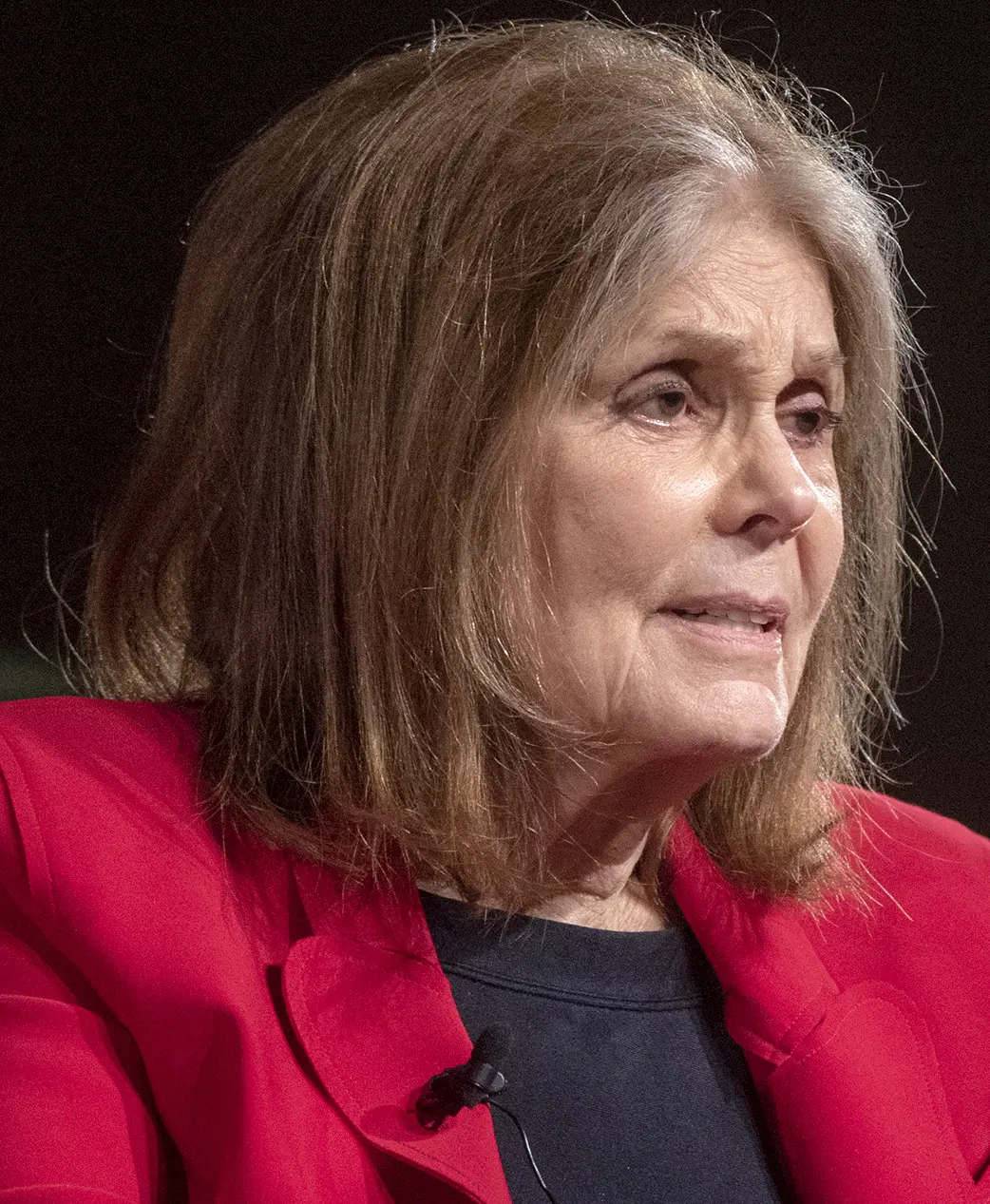
Two women died in the same month and the discourse is about whether you are allowed to be sad

Dolly Parton and Gloria Steinem. One sang, one argued. Grief treated them identically and got accused of not knowing the difference.

Here is a test I would put to anyone who finds the parasocial grief coverage embarrassing: would you say the same thing if the person who died were a friend of yours? Most people would not, and that inconsistency is the entire problem with the discourse. Grief does not check your credentials first. If you sang along to nine and a half million people, you are allowed to be sad about her.

Yahoo Lifestyle AustraliaRead →
GRIEFLAW 4

Three grief experts on whether it is normal to mourn a celebrity

Stylist asked the question out loud so you would not have to.

The fact that a mainstream women's magazine had to put that question to three professionals tells you how much damage the discourse has done. The answer is yes, obviously yes, and the interesting part is what the experts say to do with it, which is almost never what you want to hear. Nobody who went to a funeral this year was ever told to get a grip.

StylistRead →
GRIEFLAW 7

Have we hit peak parasocial? An actual magazine asked

Vogue Australia wanted to know if the pendulum has swung. The answer is that there is no pendulum.

Every generation decides it invented this and that it is about to end, and every generation is wrong, and this is the fourth or fifth time in my lifetime I have watched it happen. The one genuine change is that it is now measurable, which means it can be monetised, which means the people who were going to be normal about it have a financial interest in your discomfort. Peak was when nobody was profiting from the question.

Vogue AustraliaRead →
GRIEFLAW 4

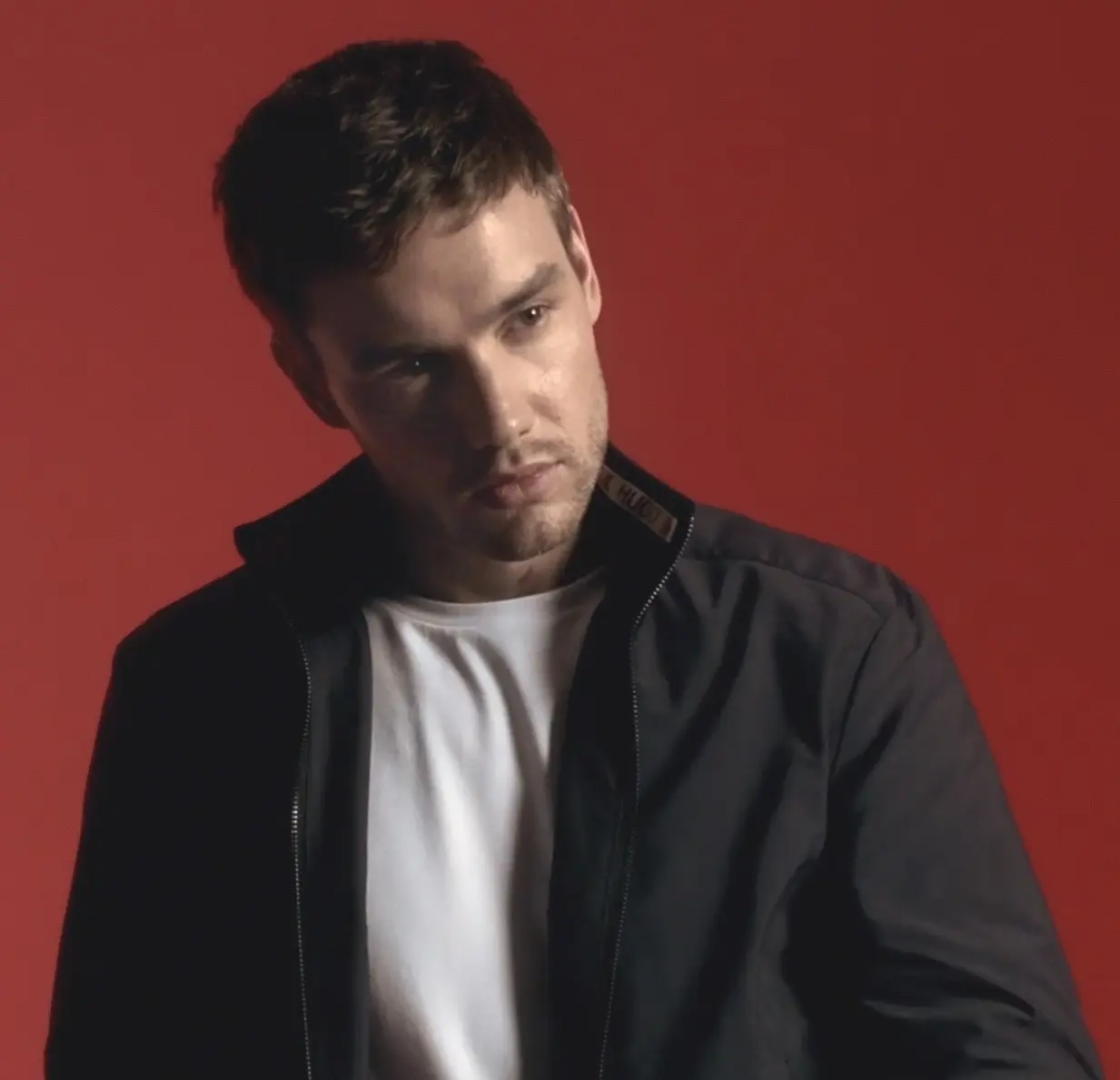
A 31-year-old's death became a generation's first real loss

SBS on Liam Payne, and the specific weight of losing someone you grew up with at sixteen.

I taught high schoolers for years and this is the thing nobody prepares them for. You do not lose your childhood at eighteen. You lose it the year the person you measured yourself against actually dies, and there is no assembly for it and no one hands you a form. He was thirty-one. He was old to them and young to everyone, and that gap is where the whole story is.

GRIEFLAW 4

Researchers studied Neighbours fans and found the same grief markers as a breakup

ABC on the finale. It reads as a light story and it is not, particularly.

A soap opera ended after fifty years and a genuine academic study measured how its audience felt about it, and found the grief response was the same shape as the end of a relationship. That is a sentence I would have found unbearable when I was seventeen. Now I think it is one of the kindest things anybody has ever published about us, because it says the feeling was real and it was measured and nobody had to be ashamed of either.

ABC News (Australia)Read →
GRIEFLAW 4

One death in Assam became a country thinking out loud

A year on, the public grief is still doing work. The Assam Tribune explains what it turned into.

Most parasocial coverage is about a viewer and a screen. This is the opposite shape: a person, a state, and a whole public working out what it meant to lose him, in a language and a tradition that already had somewhere to put it. There is nothing to fix here. Sometimes attachment is the thing that lets a place mourn properly.

The Assam TribuneRead →
GRIEFDo not returnLAW 4

A woman died in Seoul and by the next day the argument was about whether the fandom was toxic

The pivot from a death to a discourse about ourselves, in about a day, in front of a diaspora that had to watch it happen.

A person died and the discussion moved to the conduct of the people who were sad about her, which is a way of making the loss about us again. Grief needs witnesses and the argument made sure there were none left standing. All The Horrible Things exists for exactly this hour: media we loved that did something unforgivable, kept anyway, because keeping it is part of how you get through it. There is no tidy version of this and there should not be one.

Khaleej TimesRead →
GRIEFWorth your timeLAW 6

A famous author was saved by a fictional family and then wrote a novel about it

Meg Mason on Nancy Mitford, a lonely teenager, and the strangest thing to happen to this entire field this year.

I want to note this without making it about me, which is difficult, so I will make it about the fact that a bestselling novelist went on record saying a book family saved her life and then got asked about it by The Guardian and answered properly. For thirty years this field has argued about whether these relationships count. It turns out one of them was load-bearing for a person who then wrote a novel about it. Company Dreamer is on the shelf of this site for the same reason. The evidence is the writing.

The GuardianRead →

Other aisles

See everything, searchable →